
Building the New System in the Shell of the Old
My artist friends — Part 1

I gripe a lot about the Art World. It deserves to be griped about, but the complaints do wear thin, even for me. The other side of all that is the far more satisfying world of art and of creative people, many who are not at all a part of that big commercial machine, in which I actually move, live and work. So maybe it’s time to take a break from those critical fulminations and just talk about some of these good folks.
Last summer, our youngest son, Fisher, graduated from a small liberal arts college in central Illinois called Knox. Knox was founded by abolitionists in 1837 and has carried on ever since as a little island of liberalism smack in the middle of the conservative, corn-growing heartland of the American Midwest. Despite our dark times, the graduation was sunny and hopeful. Fish (a bass-playing philosophy major) and his band-mates put on some performances in the days leading up to the ceremony, and Illinois’ Governor, JB Pritzker, came on the day to deliver a rousing commencement address. He started off remarking that he could have done the speech at some fancy Ivy-League university on one of the coasts, but that this felt a more fitting spot given that so many ordinary middle class Americans — like many of the kids getting their degrees that day in so called “fly-over country”— are struggling so hard to get by while the top tier catered-to in those loftier bastions of the coastal elite are running away with all the spoils. He also cited the college’s cred as a bastion of diversity in this divisively bigoted MAGA age by pointing out that in 1858, Knox, and indeed the very spot from which he delivered his speech, had been the site of one of the most important of the Lincoln/Douglas debates, in which Abraham Lincoln clearly articulated the evils of slavery for the first time.
After graduation, Fish and I climbed aboard my big red cargo van for a road-trip pilgrimage to the East coast, where I had grown-up and where he was born, to visit family and friends and pick up an etching press from another artist pal in New England. As such trips often do, it turned into a base-touching tour across the far-flung community of artist friends and colleagues that I’ve been lucky to build and tap-into throughout my own career. Most of these, like myself, are people who make their way in the wider world of art and artists outside the beltway of the far narrower Art World I so often grumble about here.
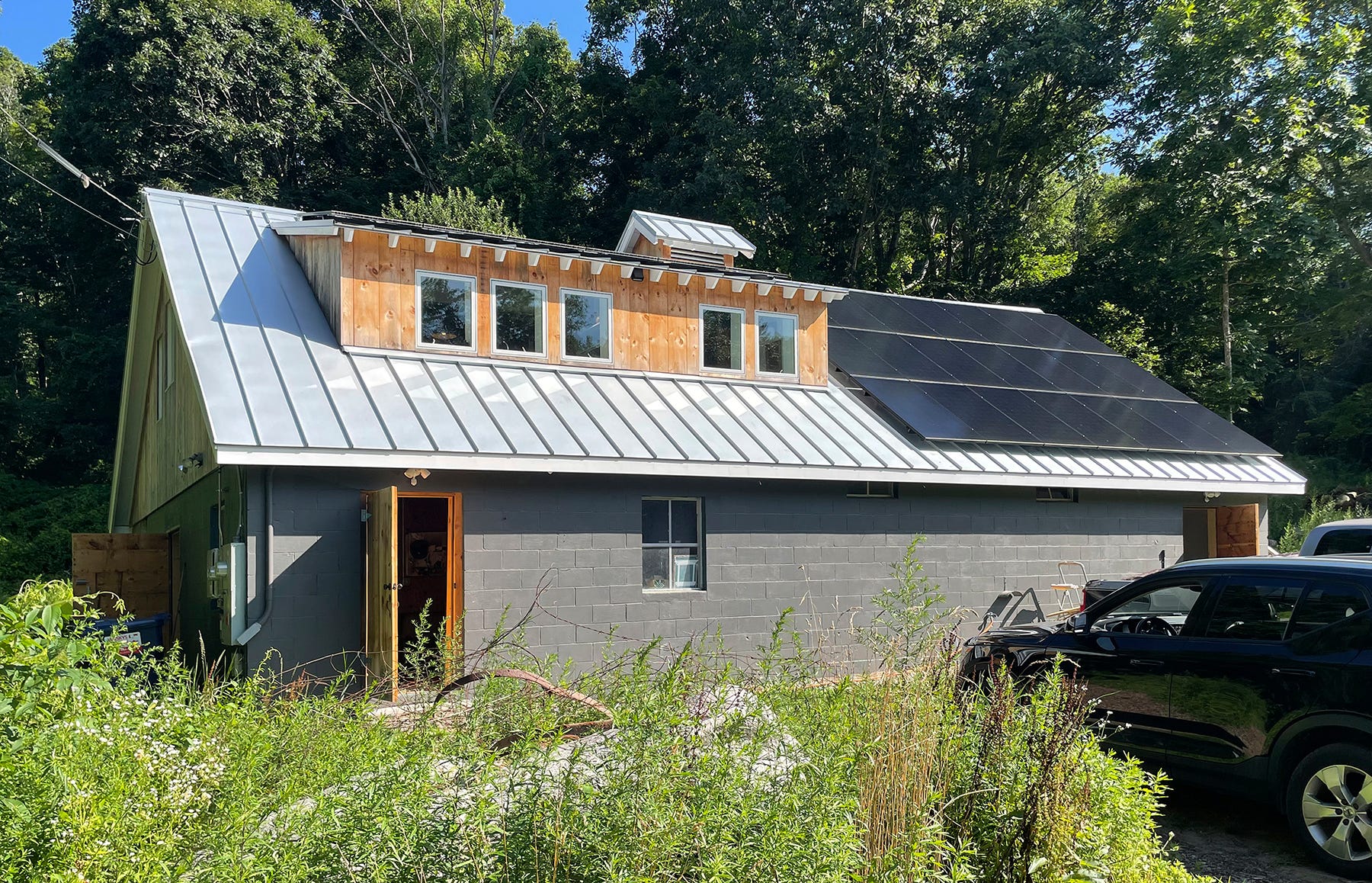
We spent a week in Rhode Island visiting family, then began to wend our way back through New England, making stops with various artist friends on our way to pick up the press in western Massachusetts before heading home to New Mexico. In Connecticut, we paid a morning visit to an organic farm in Lyme where Leah Grear has built an artist-in-residence compound and teaching workshop called Sterling City Studio. This is a place where artists can come to stay for some concentrated creative time, as well as a teaching facility where students both young and old can be treated to some direct, hands-on tutoring in a variety of disciplines.
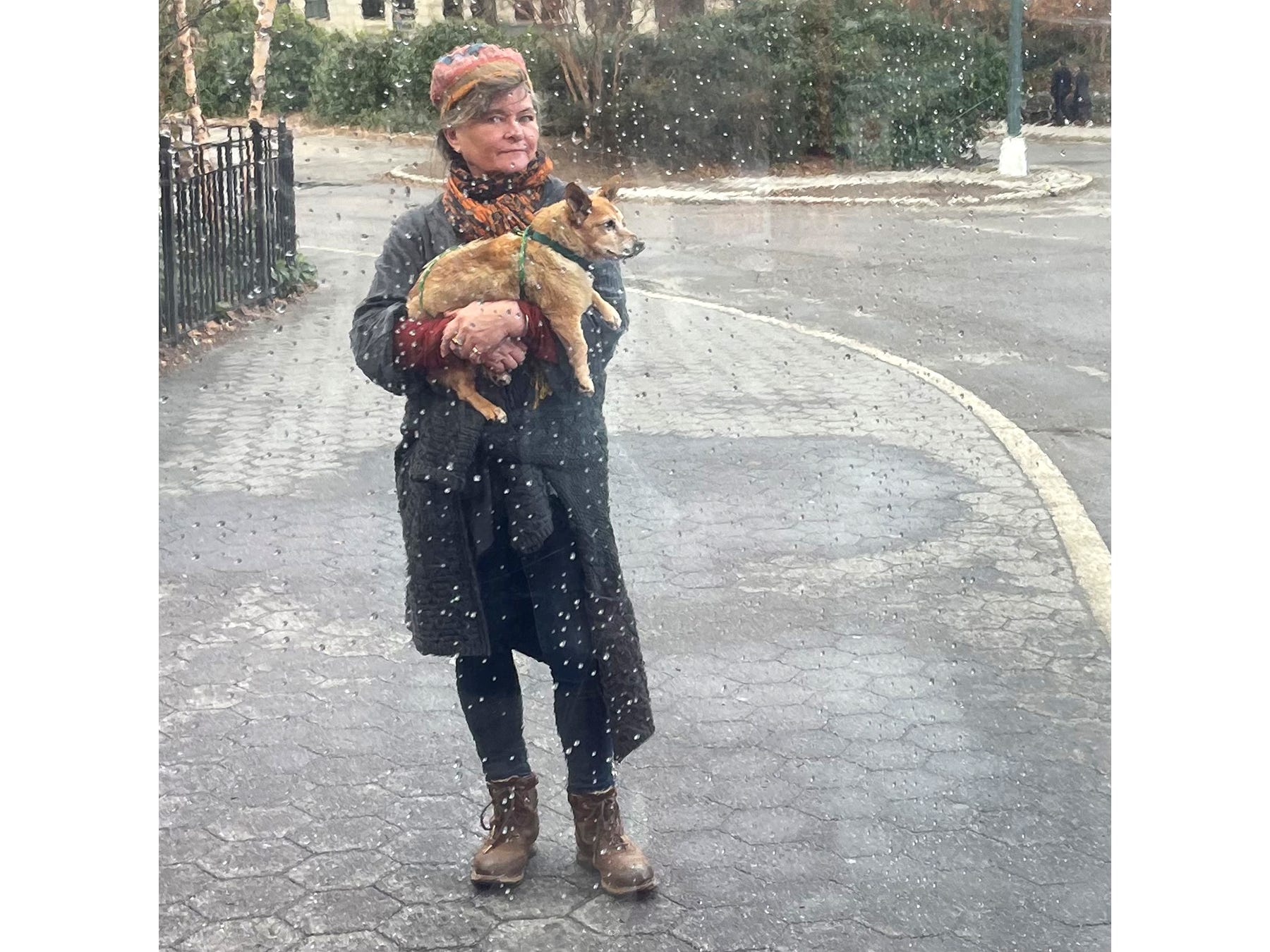
Leah comes from another creative Rhode Island family much like mine. Her father Malcolm was a friend and colleague of my dad’s and a fine graphic designer who taught at the Rhode Island School of Design. My grandfather also taught lettering and design there in the 1940s and Leah and I both studied painting and printmaking at RISD in the ‘80s, albeit about six years apart. She is a gifted and skilled artist who makes beautiful things out of pretty much any material she happens to pick up.
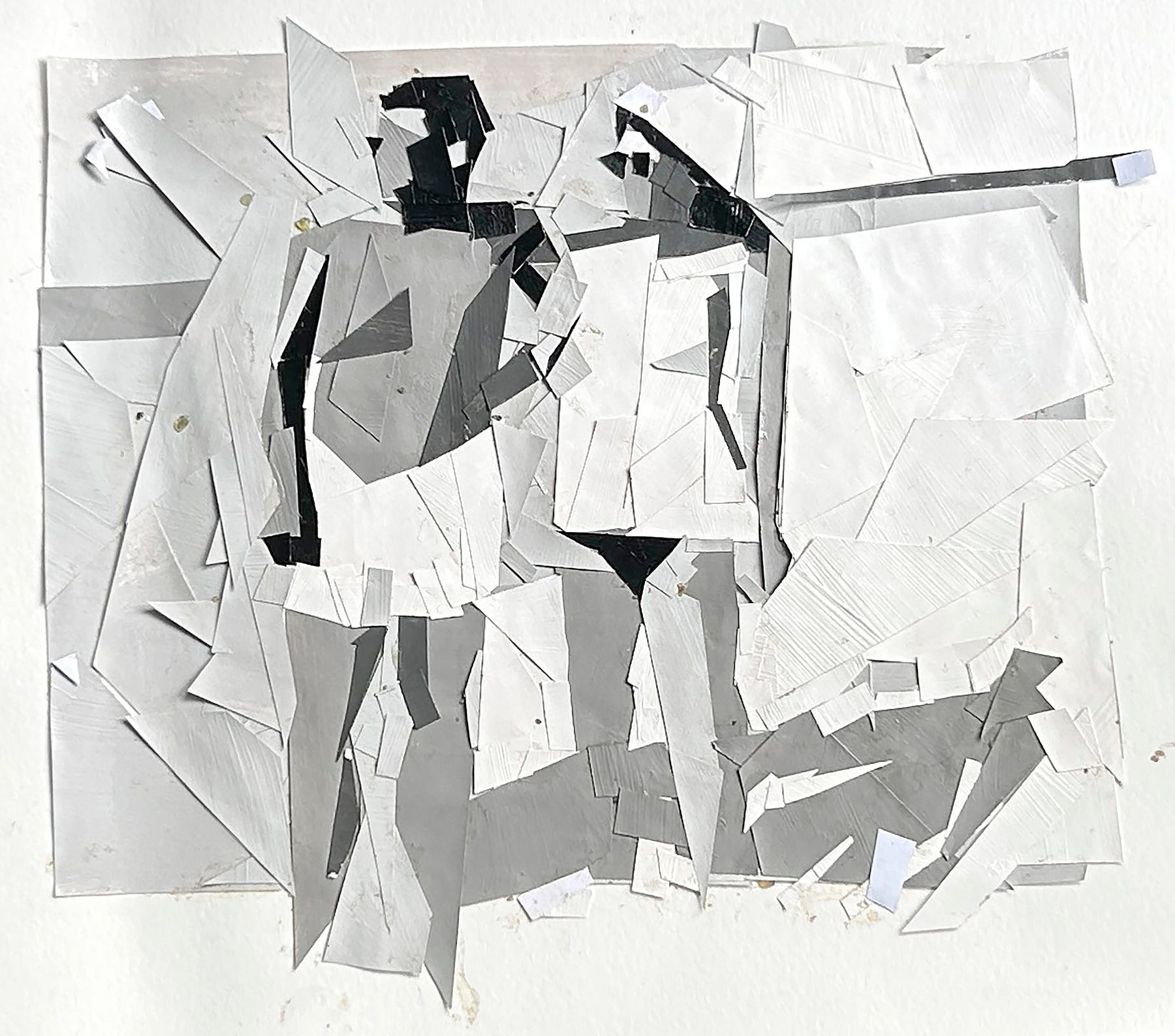
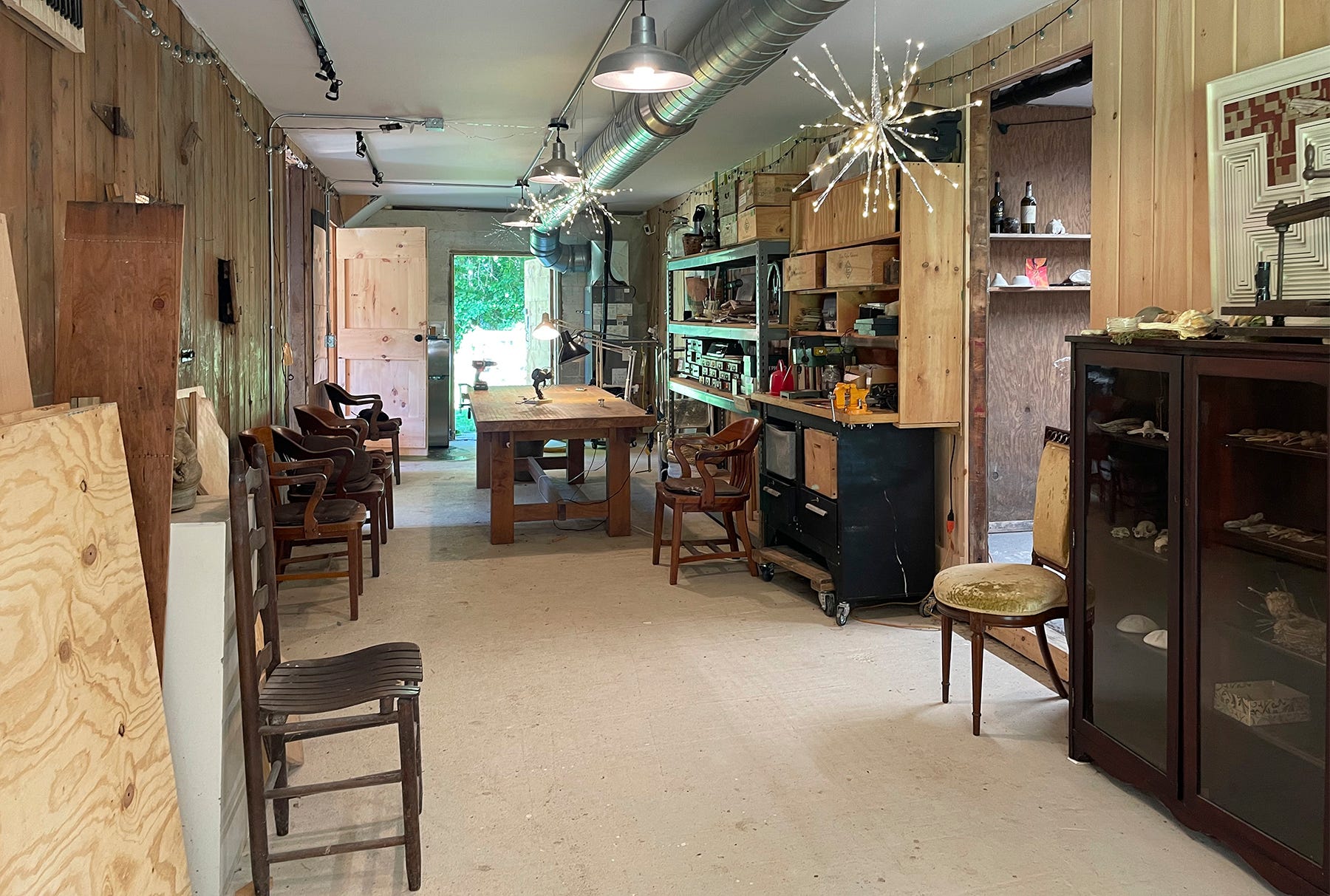
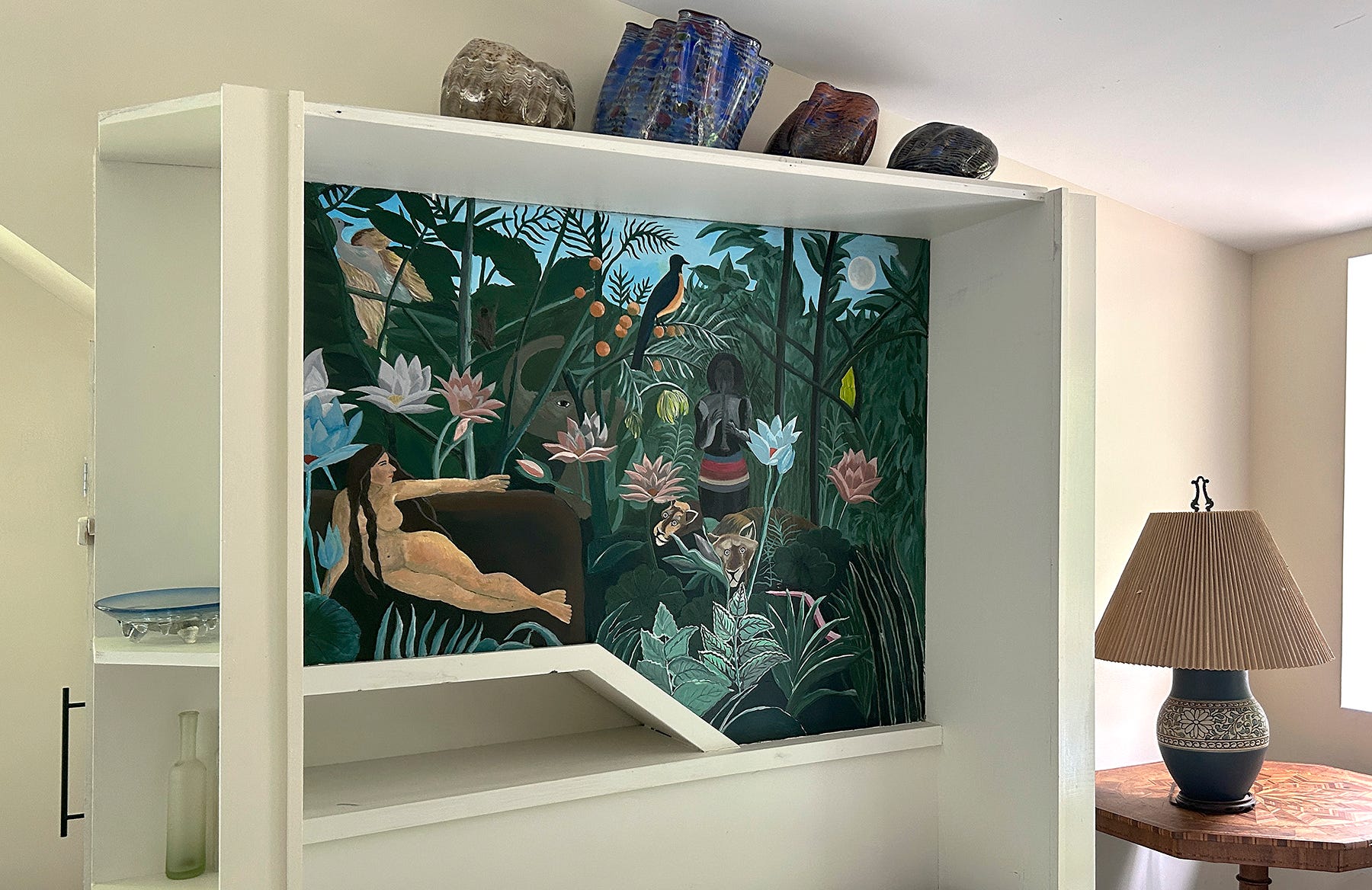
Like her father, Leah has also had a long career as an arts educator. Her project in Connecticut — a converted barn with a long ground floor of ceramics and printmaking workrooms, and a loft above that is divided into a residence apartment at one end and a drawing and painting studio at the other — combines both her vocations in a single container. This is not a museum, a gallery, or any other sort of curated and therefore precious showcase of rarified things to be awed or impressed by. It is a relatable, comfortably inviting space where the real work of art happens and where the products of that labor inhabit the space, not as rarities on display, but as the natural accoutrements of a thoughtful life. The whole place beckons us in with an implied promise that art is not some remotely incomprehensible mystery, but an accessible process ready for engagement. It is also a work of art in its own right: an architectural manifestation of the refined but also practical and fully functional aesthetic consciousness that people who grow up in creative households can sometimes absorb by osmosis before ever beginning their official schooling.
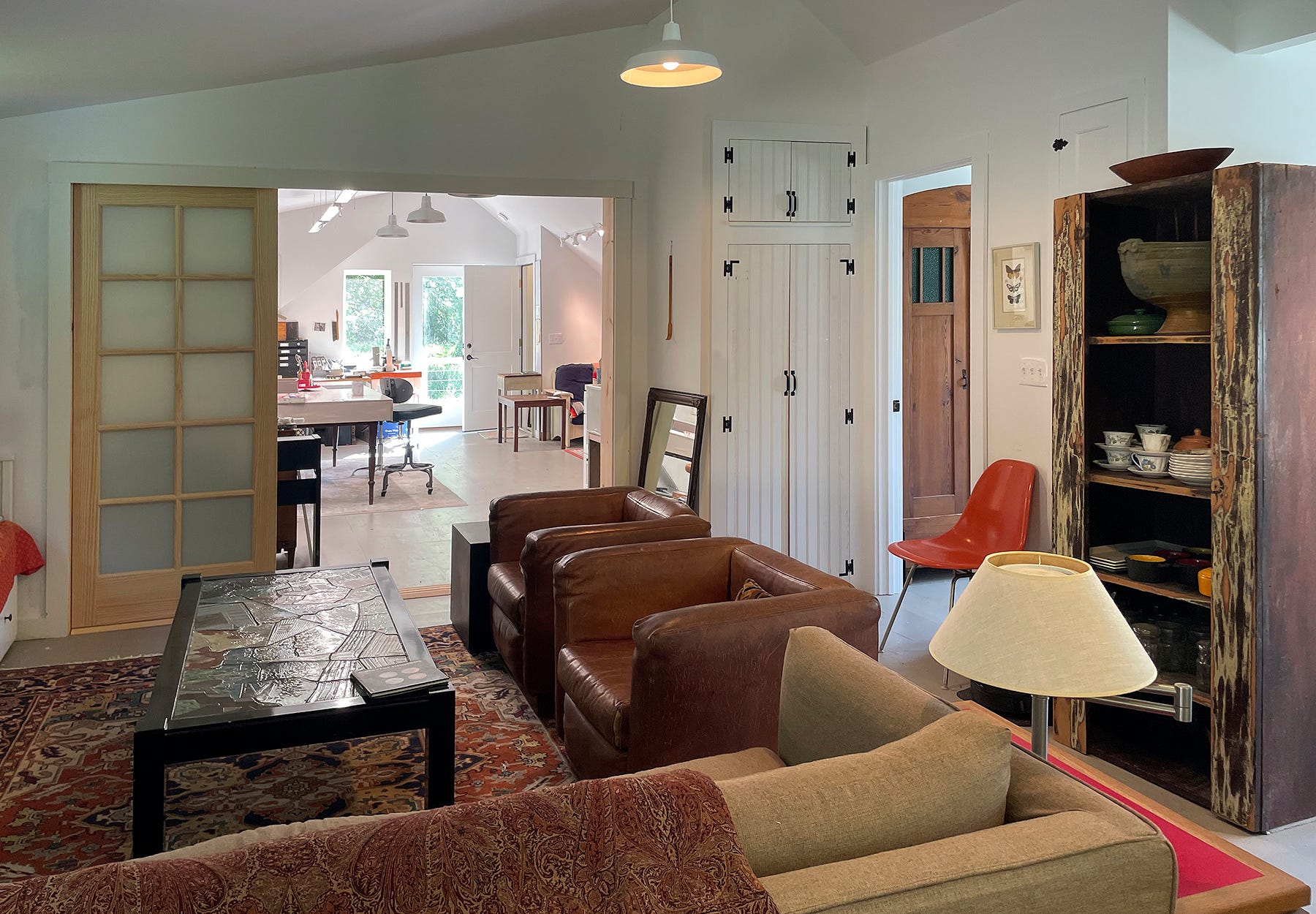
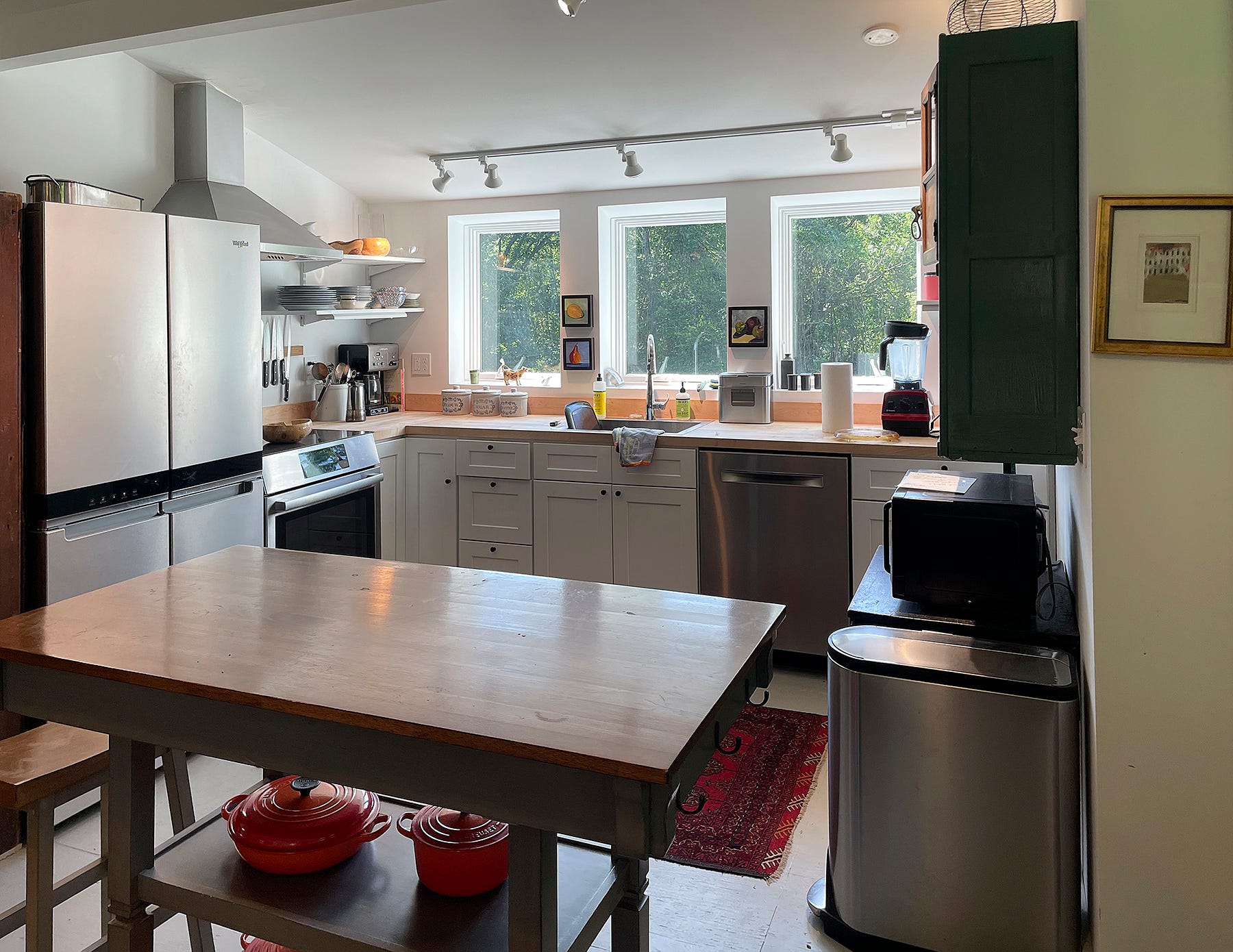
I often wonder if I shouldn’t write a stand-alone essay on the informal apprenticeships that sometimes occur across multiple generations within artistic families like ours. Where a university arts program offers a focused academic survey of what art is all about, growing up, year after year, around people who make the stuff every day can result in a different but no less intensive form of training. And in a sense, it is a deeper training, at least insofar as it models the complex compromises, labors, conflicts and commitments that an artistic life actually entails. To be born into a world like that and to be formed by it, is a kind of lottery ticket not unlike the other sorts of gifts of privilege that can give us a leg up in life. But unlike physical beauty, exceptional talent or physical strength (all of which are raw and abstract endowments) being raised in a world of creative people is like being handed a box of tools that you have already been shown how to use before ever venturing out on your own. What is to me so unique and valuable about Leah’s project is that she has created a place explicitly designed to pass those tools on to others. Historically, this is what some of our best, and sadly now too often shuttered small schools for the arts and humanities always were — places like Black Mountain, Penland, Goddard College, the Oregon College of Art and Craft, Marlboro College, and the Woodstock Country School where I went in my teens. These were intimate environments populated by small groups of teachers and students who operated much as a family does, and where the learning was less academically codified than organically catalyzed. They were working environments where intellectual and practical experimentation was encouraged and where Socratic dialogues prevailed, rather than academic institutions designed to indoctrinate and credential a professional class.
We are under such a relentless siege today by the rise of artificial intelligence and an enabling socio-economic model that discards every other measure of human value for the many, in favor of the most extractive, wealth-concentrating machinations of commerce for the few. It’s bad enough that this is happening at all, but the purveyors of this dystopian vision add daily insult to injury by lecturing down to us that this is as it should be, that the changes which benefit them and hurt the rest of us are the inevitable and divine right of the power and wealth they have amassed for themselves.
It can feel so satisfying to point at these villains and blame them for everything, but it is important to see just how and to what extent we enabled their rise over the past half century through an almost superstitious worship of business-centered professionalism. I have long despaired at the overtaking of art by business, but I began to see this problem in the wider culture as well when, as young father in the early 2000s, I served for a time on a public school board in a little rural New England town. All the hardest fights we had on that board, as we attempted to forestall the closing of a group of small neighborhood schools to make way for a big centralized facility, had to do with business. We were told again and again by the boosters and would be developers of that consolidation that the business model was the smartest, most efficient model for education in our age; that we should run our schools like a corporation under a superintendent headhunted from another state who proudly boasted of his CEO-like skills. In the end, we fired the CEO, hired a former classroom teacher from within our own local ranks to take his place and preserved about half of the small schools in their original neighborhoods, while only slightly expanding them. In the era of George W Bush’s Orwellian “No Child Left Behind” policies (on the board we called it Every Child Left Behind) this was an admittedly small but nonetheless satisfying victory.
The socio-economic and political mess we are living through today can feel alarmingly sudden and unprecedented, but as that story illustrates, it has actually been building for decades. Since the early 1980s that more intimately-engaging style of education which my generation had access to in those small liberal arts schools I listed above (and which I was fighting to preserve for my own kids on that public school board) have been systematically sidelined, bled of resources and shut down one after another. In that same era, the independent, one-owner galleries that nurtured and built so many worthy artistic careers between the 1950s and ‘90s have also been gradually disappearing, to be replaced by big international art fairs and a handful of corporate mega dealers like Zwirner, and Gagosian and Pace.
Art can certainly hold up a mirror to the injustices of our culture, and I suppose it should do that where and when it can. There are, however, other things it does equally well and possibly even better. But the life of art — how its makers operate and exist in the world — can also be a beacon of fresh thinking about possibly better ways to do things. Running public elementary schools like a corporation was never a good idea for the life of learning, any more than it was a good idea for the life of art to create and sell over-hyped and correspondingly overpriced art-like commodities in corporate galleries and auction houses. It may be that the key in this moment is not to see art (nor teach it) as a pathway to professional success or public acclaim, but as a smaller-scale, more sustainable, personally rewarding and locally responsive way to live. The late anthropologist and author David Graeber wrote and spoke often about our need to reclaim the best original ideals of communism; not of the state-enforced socialist Soviet or Maoist kind, nor even of the private property-denying Marxist variety, but of its earliest image of a society built on the direct and equitable exchange of abilities and skills between people who actually know, care about and wish to support one-another “from each according to their abilities to each according to their needs.”
Leah Grear and I got to spend our childhoods in worlds that worked that way, so we come naturally enough to the belief that it is still possible to build something like that, even in an age that wants to drown all such visions in the snake oil of capitalized technological determinism. Luckily for all of us, she has decided to make a place where that can happen, not only for herself, but for anybody else who is willing to knock on her door.
Chris,
Terrific article ! I am happy to see Leah Greer in her element. I worshiped Malcolm when he was at RISD as well as his major contributions across the spectrum of art and print. He was a graphic designer for the ages. His posters for the 50th Annversary of the Guggenheim are some of my favorites. I still want the Red colorway.!