
Homesick at Home
In Memory of G.K. Chesterton

I’m a little overdue for my usual bi-weekly installment here after taking a solo trip to England a couple weeks back — for an art show in a Brighton gallery that included one of my paintings — a sojourn abroad that upended my usual schedule with these postings.
The last time I traveled to the UK (or out of the US at all, I’m ashamed to admit) was exactly forty years ago, in November of 1985. That time I traveled alone, fleeing a disastrous early romance back in New York City where I had been living at the time. It was a bitter, wet and frankly quite lonely trip. But I was lucky at the time to have a kind family friend in London who let me use his Hammersmith house as a base of operations through a month-long stay in which I ventured off in various directions to explore different places north and west of the city, as well as in a side trip to see my brother, then on a year-long apprenticeship at a trade school in Switzerland.
I visited my old English friend again for a few days on this recent trip and it felt as if no time had elapsed, save that we are now both so much older and so much more gray. I also got to visit with a cousin who I similarly hadn’t seen since we were quite young. That was a pleasure and a revelation too, as I didn’t know the shy girl she had been back then so well and found her, now in her mid-fifties, to be so smart, interesting and engaging, and also so familiar that we fell in together quite quickly and easily. That idea of familiarity has gotten me to thinking about the nature of travel and of the different ways that different people undertake it.
Most of my family lives on a pair of islands in Rhode Island’s Narragansett Bay. It is a well-worn trope that island people don’t much like to leave home, and in a way that has proved true for at least my father and brother, who’ve each made their whole lives in our ancestral stomping grounds while presiding over a small family business that my grandfather took over almost one hundred years ago, and which was founded by another family even further back, in 1705. Even my mother, a native New Yorker (who I usually think of as a relatively worldly and cosmopolitan person) has spent almost all of her now eighty-seven years in the same general locale in two of that city’s outer boroughs. Mind you, both my parents and my brother have also traveled far more frequently and extensively outside the US than I ever have, but they typically do so as visitors to those places rather than inhabitants. Which causes me to wonder what the difference between these two kinds of interaction with a foreign place might be. It is the difference, I suppose, between tourism and a more integrated engagement with a locale and its people that can enable a traveler to feel more like a native than an interloper.
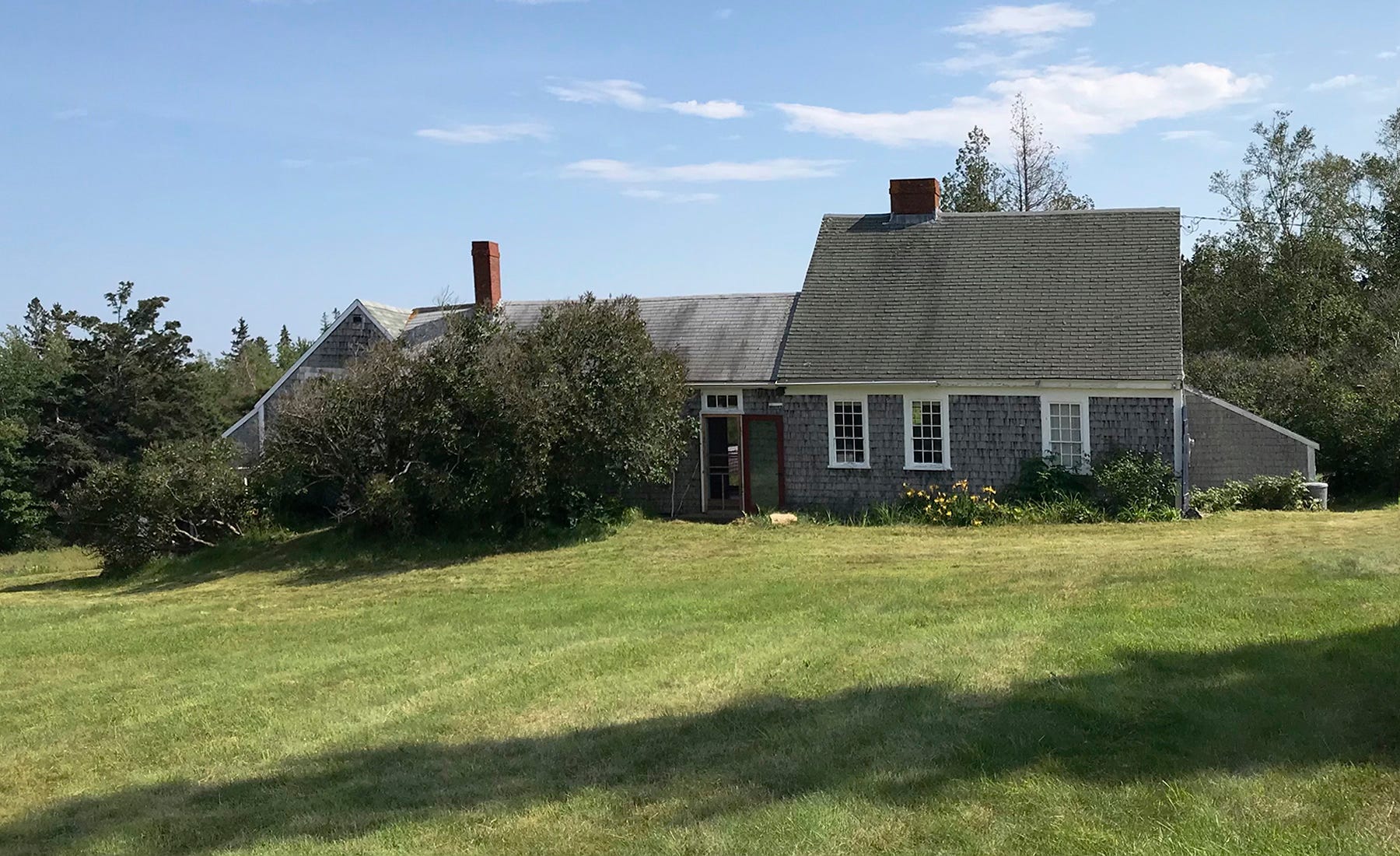
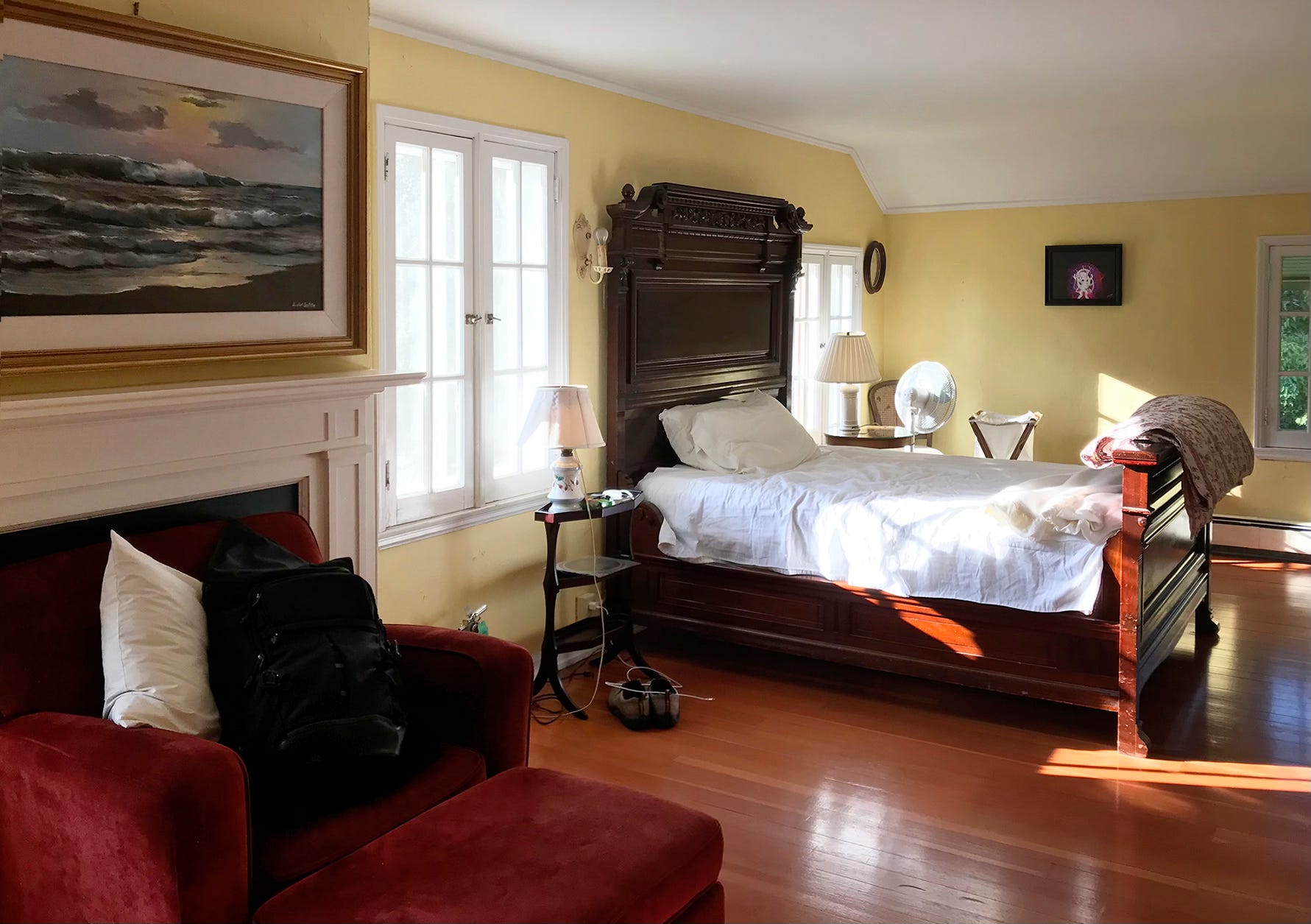
Despite a dirth of international travel, I’ve been a wanderer all my life. I began leaving home at age ten, when I spent a good part of one summer with a childhood chum at his family’s farmhouse on North Haven Island in Maine. I had arrived a tourist — a short term visitor on holiday. But one week into the trip, my bickering mid-divorce parents couldn’t agree on who was responsible to fetch me home and they just ended up by leaving me there indefinitely. Eventually, an evening came when my friend’s mother pointed to a sink full of dirty dinner plates and instructed me to get busy cleaning up. I was a little shocked in the moment, but she quickly pointed out that “for the first week, you are a guest; after that you are a member of the family, and family members wash the dishes!” From that point on, the whole character of my visit changed. I was no longer a passer-through, but became a co-inhabitant of a world that may not exactly have been my own, but which was willing to accept me as a sort-of charter member so long as I was prepared to respect its rules and become a contributor to its day-to-day rhythms rather than a mere extractor of vicarious entertainments at their expense.
Since that early sojourn in Maine I have spent the whole of the following fifty-five years moving about from one unfamiliar place to another in much the same spirit in which I was enabled to become assimilated into, and then familiar with, that first different world in Maine. I’ve lived now for long stretches on both coasts of the United States, in a wide variety of both rural and urban and even suburban settings, as well as in the desert southwest where my family and I have made our home for the past twenty years. In between each of these longer-standing relocations, I have also traveled widely east to west, out to Hawaii, up to Newfoundland, down to the Mexican border and up to the midwestern border with Canada. Despite being quite comfortable at home, I also derive an inexplicable pleasure from climbing into the cargo van in which I typically transport both my paintings and the tools of my several trades, and going to some new place where I have been able to make friends or connect with friendly colleagues. At each stop, my first instinct is to create a little microcosm of a home away from home — whether in the van itself, or else by renting an apartment or a house — and then taking some time to find out who the inhabitants of that place are, how they think, what they care about and how I might best make myself feel both comfortable and useful to them to whatever degree will enable me to cross that threshold between being a mere tourist and a more naturally incorporated member of that community into which I have alighted.
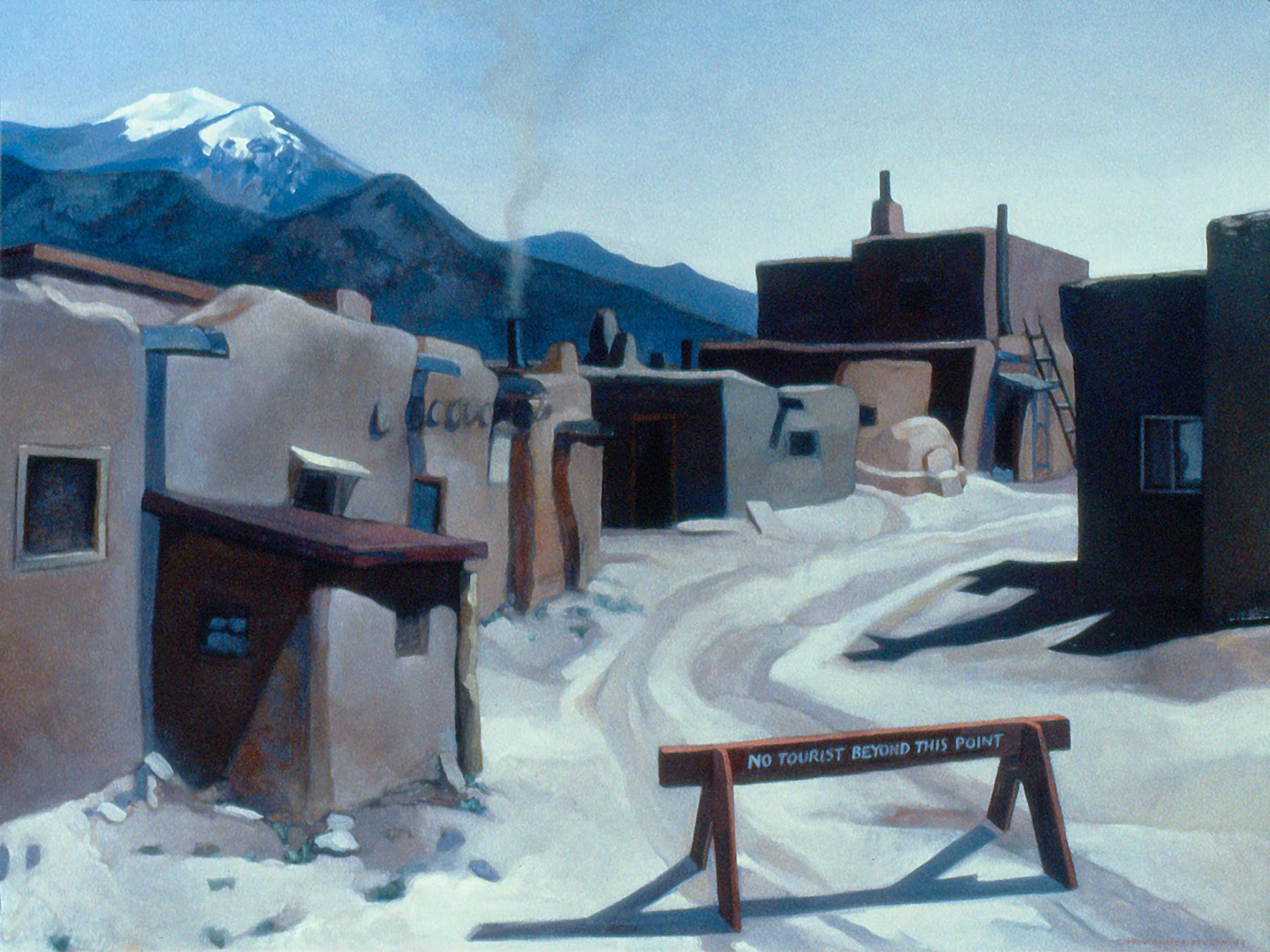
Does it always work? No, of course not. There are places where one simply does not belong, and never will. Part of the mindset of living and traveling in this way is to also be sensitive to those places and people who do not want us, because there will always be some who feel that way. When I first moved to New Mexico in my late twenties, I had it in my head to visit and make pictures about the native world of the old Pueblos and reservations that overspread the territories between eastern Texas and western Arizona. I did go and visit some of those places upon my first arrival in Santa Fe, but my immediate instinct was to respect them enough to stay away and if I made paintings about them, it was always with a pretty clear sense that I was at best a guest and at worst an invader. Everything about them — even when they were actively inviting tourism from economic necessity — seemed to say “No, you are not welcome here and you will never belong to this place or to these people.” The only time when I was able to make a small shift past that barrier of native unfamiliarity and distrust was when a Navajo man whom I had met through mutual friends, and for whom I had done some archival photographic work, invited me to come and stay at his house near the Chuska mountains on the Big Reservation in Arizona. I went to see him there twice, and both times I was made to feel welcome and at home, but I never would have ventured into his world (after those first uncomfortable forays in my twenties) absent such a clear and friendly invitation.
All of this experience stands in sharp contrast to the powerful tribal feelings of belonging that even an intrusively interloping European-descended American like myself can feel in certain places. There is a sense one can have about a native place — the place we come from — that moves past any personal ownership of it to a feeling of actually being owned by it. There is a little stretch of the waterfront in Newport, Rhode Island where I grew up and where one branch of my ancestral family has lived for hundreds of years. The oldest houses there were built by them; the streets and wharves bear the surnames of their various tributary branches; they are the figures portrayed in the round in bronze or granite atop the memorials scattered in public parks, and theirs are the bones in the ancient cemeteries dating to the earliest colonial plot of the town. To have had such a feeling of belonging is in a way to have been both enriched and spoiled by it, because no other place one travels to will ever feel the same. To leave such a place is also to become alienated from some of those who have stayed, who may feel betrayed or abandoned by that departure and who can sometimes find it in themselves to nourish a resentment as the presumably more true and deserving inheritors of that shared legacy — as if they are the only ones who could possibly understand the place it has now become while the traveler must surely be caught up in a merely delusional and nostalgic romance about its departed past.
There is, however, a way of knowing a native place best by contrast — by experiencing other, different places with a depth and breadth of involvement that echoes the familiarity that persists within us for the home from which we originated. By becoming near as possible to feeling native in a foreign place, we can begin to see our own place with perhaps a shade more objectivity and nuance than might otherwise have been attainable. Rudyard Kipling, a colonial Englishman who spent so much of his life in India, once said “He does not know England who only England knows”, and I think he had a point. Many people who are familiar with my paintings have remarked at my habit of making pictures of places where I have lived in the past but which I do not currently occupy. I have painted the ocean while living in the desert and the desert while living beside the ocean. I have made pictures of the city while living in the country, and English landscapes while living in Brooklyn, New York. It is with some distance that we can begin to see a place that we perhaps know a little too well to know it completely, just as a foreign place to which we have traveled can begin to communicate its character more clearly once we have returned home.
As our children have become adults and my wife and I are now heading into the early years of our elder age, we have both begun to feel a hankering to travel abroad in a way that we were never able to while engaged in the daily grind of our careers or as parents to our boys. But there is some conflict between us about how best to do this together because she wishes to travel as a tourist while I do not. I grew up in an ancient native world that was in the process of being transformed through my boyhood and early teens from a very real and natural local place into a grotesquely commercialized simulacrum of its former self, engineered entirely for the most superficial sort of consumption by a type of visitor who could not possibly understand, know or care about its actual meaning, history or character. I love my wife, but I do not like tourists, and I do not wish to be one. I think the tourist industry is one of the most reprehensively destructive and insulting crimes that one culture can visit upon another, and all the more so because it depends on enlisting the willing participation of its victims.
And yet, if I am honest, there is a sense in which I have been a kind of tourist all my life, if only by having finally embraced a displacement that happened early on for a variety of reasons beyond my control, but which I ultimately accepted as the course that my life must take. To live as I have can be exactly as fulfilling and rewarding as the extent of my willingness to become assimilated into the ways of the paces I choose to visit, while also recognizing the delicate reality of my inevitable otherness. But it is also to forfeit forever the enveloping embrace of belonging felt by those who remain forever in their native places. It is to be perpetually homesick at home.
Nice benny. Brings to mind kunitz poem. The layers
Isn't interesting how a long distillation of experience feeds what you make? Not the instant inspired moment and not even a nostalgic memory, but the settled in feeling for a place, a moment. Only having lived a place does it resonate enough to paint. I couldn't agree more with this notion of tourist vs. inhabitor, both personally and artistically.